Retail decision intelligence

Sell the stock you hold at the best margin.

Every day Zyntel checks every product you carry, works out why it’s slow or selling out, and recommends the cheapest fix: buy more, move it, get it seen, wait for a festival, discount it, or exit. Always inside the rules your brands allow.

Run it as recommendations your team approves, or let it apply offers live at checkout.

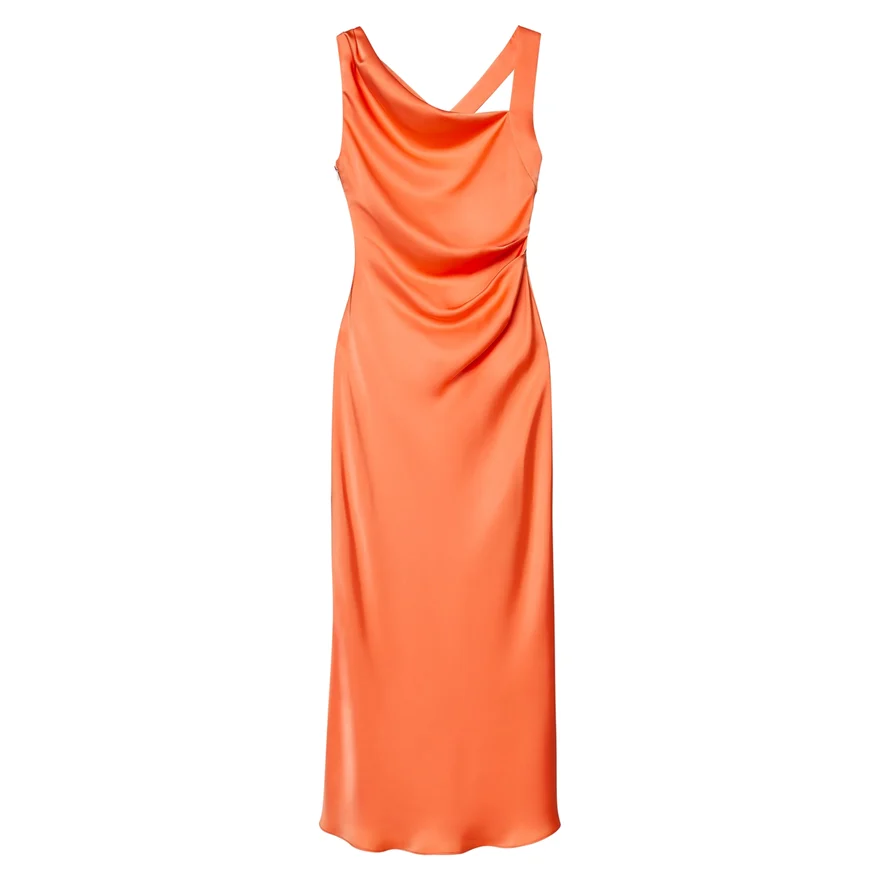
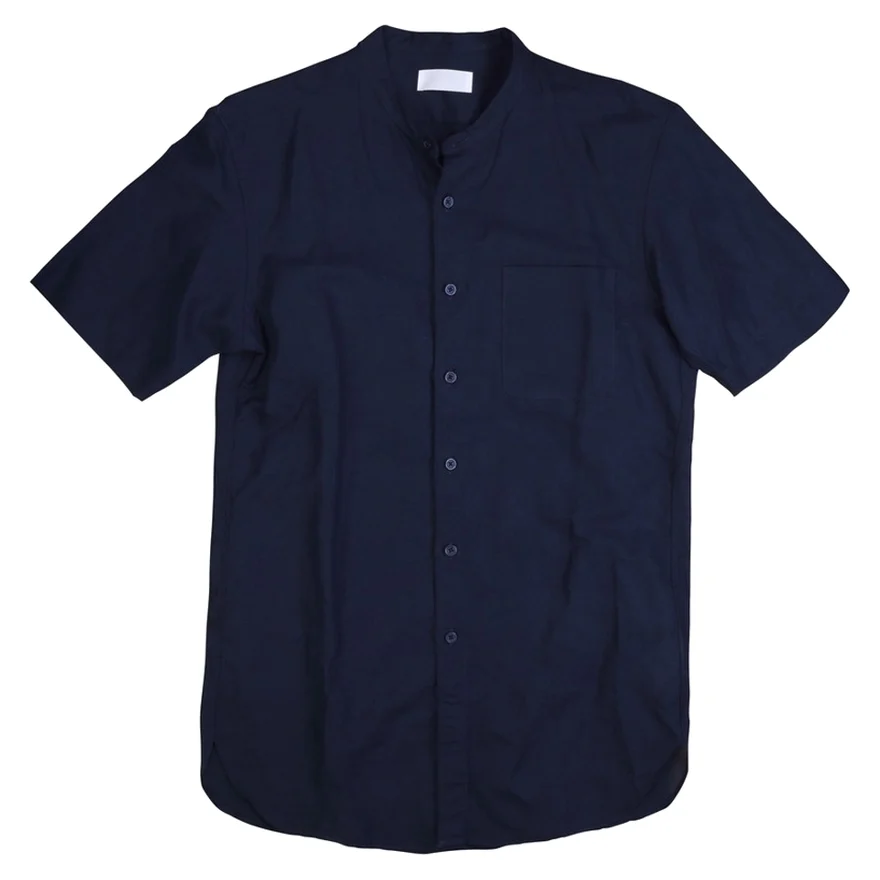
Mandarin-collar shirt, navy
Buy

Mandarin-collar shirt, navyFF-SHT-2291

Selling 3× faster than stock in Dubai

Order 420 by 22 Oct

Today’s worklistSample data

  • Sneakers
  • Sunglasses
  • Red leather handbag
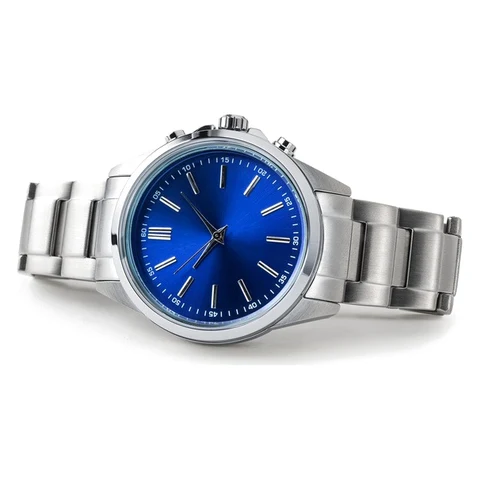
  • Steel wristwatch
6
levers, tried cheapest first
8
checks in every run, in the same order
5
layers of rules. The tightest one wins
100
SKUs is all you need to go live

01Why Zyntel

Retailers lose money in two directions at once.

They discount stock that didn’t need discounting, and run out of stock people wanted. Both come from decisions made late, on too little information, with only one tool.

  1. Every slow product gets a price cut

    Zyntel finds out why it’s slow first. A visibility problem needs creators, not a markdown. A stock-in-the-wrong-store problem needs a transfer.

    Separate a price problem from a visibility problem.

  2. Hero lines sell out before the peak

    Reorder quantities and order-by dates are worked back from supplier lead times and the festivals coming to each region.

    Stop sell-outs before the peak, not after.

  3. Discounting into free demand

    If an event that clears this category is days away, the engine says wait. Discounting now gives margin away for sales you would have made anyway.

    Wait costs nothing. Discounting costs margin for good.

02Six levers

The fix isn’t always a discount.

Zyntel asks one question of every product, every day: is it in trouble, or about to be? Then it recommends the cheapest fix that works, and explains why in plain words.

Every product, every run

Is it selling faster than we hold, or holding more than we can sell?

The engine compares expected demand, including events ahead, with stock on hand and on order.

03Inventory intelligence

See which SKUs will sell, stall or stock out.

Health and risk for every product, scored from sell-through, age, days of cover and margin. Slow movers surface weeks before they become dead stock.

  • Cover worked out against expected demand, including events ahead
  • Fast fashion, premium and luxury judged by their own selling life
  • Stock in the wrong store flagged before anyone discounts it
Explore inventory intelligence
SKU health Women’s ethnic & denim · 5 of 1,240 Sample data
ProductHealthCoverSell-throughLever
Slim denim, black FF-DEN-0874Overstocked61 days34%Move
Graphic tee FF-TEE-5510Ageing96 days41%Discount
Cotton kurta FF-KUR-2291Selling out9 days88%Buy
Silk-blend saree FF-SAR-1150Not seen48 days22%Get seen
Quilted jacket FF-JKT-3302Event ahead70 days18%Wait
Cover = days of stock at expected demand Sorted by risk

Decide with reasons

Managers approve what they understand.

Every recommendation shows why, the second-best option, doing nothing, and the rules it followed. Approve it, pick another, or reject it with a reason the engine learns from.

  • Forecast units, margin and stock left for each option
  • Approval levels by lever and value
  • Your own option, measured side by side
Explore the decision engine
Review a recommendation Category head approval Sample data

Graphic tee, summer drop

FF-TEE-5510 · 1,840 units · 14 stores

Discount 20%

Why: 96 days in stock against a 12-week selling life. No event ahead clears this category. Moving it won’t help: every store is overstocked. First step of the fast-fashion ladder (20 / 40 / 60).

OptionUnits soldMarginLeft after 10 days
Get seen · 3 creators610$6.4k1,230
Do nothing240$2.5k1,600

Rules applied: margin floor $4.20 · brand limit 30% · category ladder · tightest wins

Above $5,000 needs category head

04Two ways to run it

Start without touching your checkout.

Zyntel owns a live cart engine. If you already have a promotion tool, take the recommendations instead and act in your own systems.

Live cart

Zyntel applies the offer at checkout

Every order passes through the engine, so no order goes below the margin floor and an offer stops the moment its budget or stock runs out.

Margin floor
Checked on every order
Stopping offers
Automatic
Codes
Created and checked by Zyntel
Results
Measured automatically
Time to start
Longer: checkout is linked

Recommendations only

Zyntel decides, your systems act

The engine decides product, lever, depth, place and timing, and sends the list to your systems every day as a file or feed. Nothing in your checkout changes.

Margin floor
Checked when we recommend
Stopping offers
We alert, you stop it
Codes
Created by Zyntel, loaded by you
Results
Needs your order data daily
Time to start
Shorter: nothing to rewire

Mix them: online orders through the live cart, store tills on recommendations. Or start on recommendations for a season and move to the live cart one category at a time. The decisions are the same either way.

05Retail calendar

Built for how your market buys.

Demand follows festivals, weather, paydays and sport, and those differ by country, region and city. Zyntel keeps a live event calendar for every market you trade in, and your team can add its own.

  • Festivals and holidays, by region

    Lunar New Year, Ramadan and Eid, Easter, Diwali, Christmas, Black Friday and the local ones in between. Dates that move each year are kept current, and gifting offers stop at the last delivery day.

  • Weather, as it happens

    Heatwaves, cold snaps, monsoons and storms, by region. Zyntel moves stock ahead of the weather and promotes nothing where there’s a severe warning.

  • Paydays, weddings and big matches

    Salary weeks, wedding seasons, school terms and match results all move demand. Big-ticket offers land when the money does.

  • Local rules, built in

    Religious periods, sensitive dates and local trading rules are set per region, so no offer runs where it shouldn’t.

Explore the retail calendar
Retail calendar Next 60 days · dates maintained by Zyntel Sample data
WhenEventMovesLeverEngine says
27–30 NovBlack Friday to Cyber Monday US, UK, EuropeElectronics, fashionWaitHold 3 lines at full price
Mid Dec–JanDubai Shopping Festival UAEFashion, gold, electronicsBuyOrder-by date passed for 1 line
25 DecChristmas gifting Most marketsGifting, home, toysMoveShift 2,400 units to top stores
Nov–FebWedding season India, by regionEthnic, jewelleryBuyBuy ahead on 14 lines
2 local events added by your team Edit dates in the console

07Built for your teams

Everyone who touches stock gets the same answer.

  • Merchandising & buying

    A daily worklist of what to reorder, move or hold, with order-by dates and draft purchase orders.

  • Category & marketing

    Promotions, markdowns and creator campaigns timed to stock and events, inside brand limits.

  • Finance

    Margin floors, budgets and approval levels set before the spend. Every decision logged with its cost.

  • Engineering & IT

    Start with a file upload. Add feeds and the live cart when you’re ready. One API, separate test and live.

08Questions

Asked before every walkthrough.

What does Zyntel do?

Zyntel reads the health of every product you hold and recommends the cheapest fix: buy more, move it, get it seen, wait for an event, discount it or exit it. Every recommendation comes with its reasons and stays inside your brand and margin rules.

What data do we need to start?

At least 100 products with their current stock. Any length of sales history works, and more history, store-level stock and website traffic make recommendations more confident.

How long does it take to go live?

About four weeks: connect your data, review a diagnostic report on your own range, watch recommendations for a while with nothing reaching shoppers, then go live one category at a time.

Do we have to change our checkout?

No. In recommendation-only mode, Zyntel sends its decisions to your own systems as a daily file or feed. If you want every offer checked at the moment of sale, you can switch to the Zyntel live cart later, one category or channel at a time.

Won’t it just tell us to discount everything?

No. Zyntel tries the cheapest fix first. Moving stock, getting a product seen or waiting for an event all come before a price cut, and no offer can take an order below your margin floor.

Who stays in control?

Your team. Every recommendation waits for approval unless you choose to let low-risk decisions run on their own, within limits you set. Rules, budgets and approvals all live in one business console.

How do we know it worked?

Every promotion is measured against a holdout group that didn’t get the offer, so you see what it actually added. The dashboard shows the return on every unit of money spent, and its figures match your own books.

Which systems do you connect to?

Shopify, Adobe Commerce, SAP, Unicommerce, Ginesys and Google Analytics, with more on the way. Any other system works through a simple daily file.

Is our data safe?

Each client’s data is kept separate and encrypted. We read from your systems with view-only access, host your data in the region you need, and delete it when you leave.

Which countries do you support?

Zyntel works in any market. It keeps an event and weather calendar for each country and region you trade in, and your team can add local events.
09Walkthrough on your data

Bring one category. See tomorrow’s worklist.

We load a sample of your catalogue, sales and stock, run the engine on it, and walk you through every recommendation, the reason behind it and what it would have earned.

Go live with as few as 100 SKUs and any length of sales history.

  • Your catalogue and stock, loaded
  • SKU health and risk scores
  • Buy, move and markdown calls
  • Festival effects for your regions
  • Your brand and store rules
  • Live cart or recommendations only
  • What it would have saved
  • A rollout plan by category